 Aguas Calientes City Guide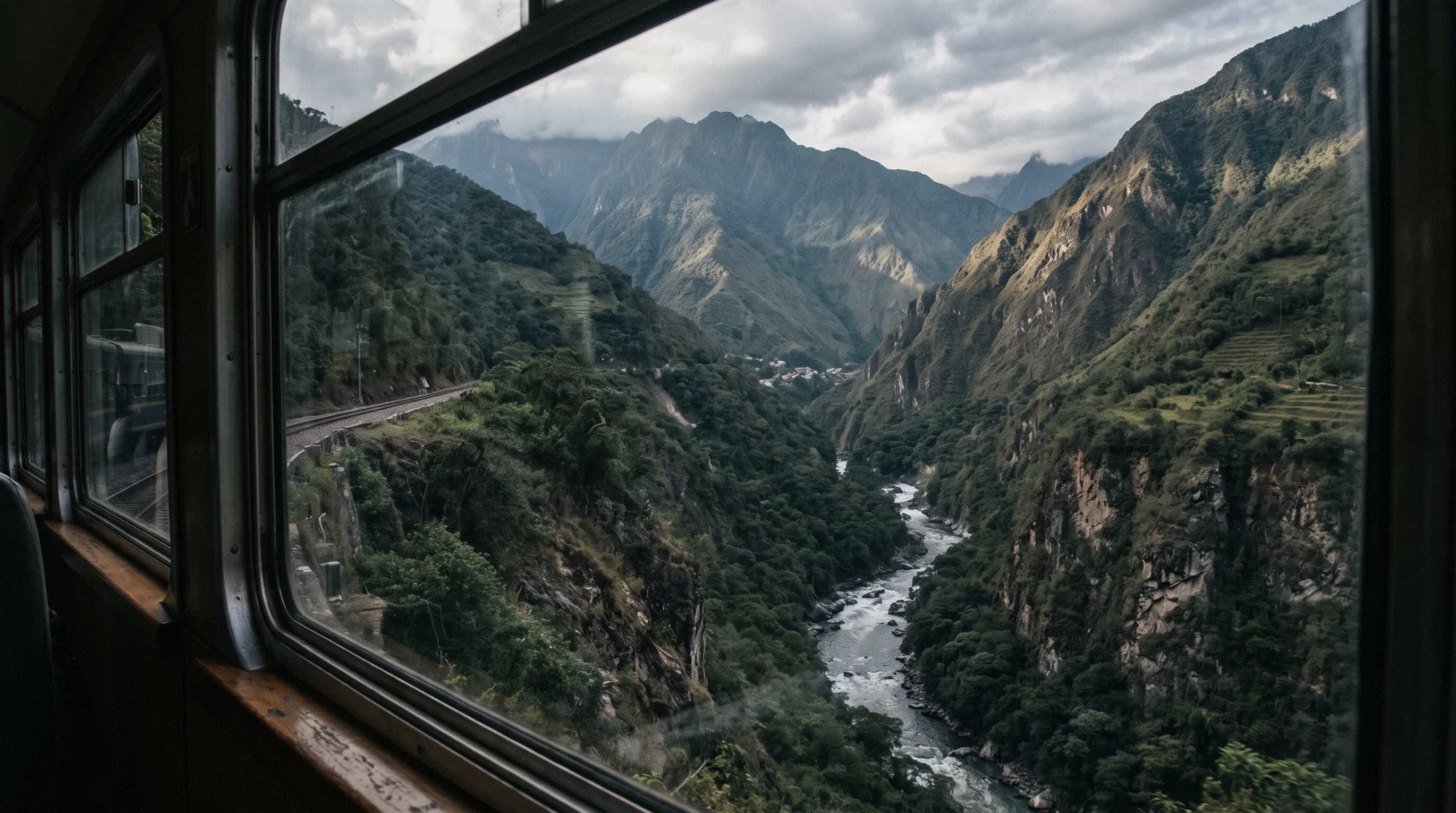
Aguas Calientes Altitude: Is Machu Picchu High Enough to Make You Sick?
Most people planning a trip to Machu Picchu worry about two things at once: tickets and altitude. The tickets question has its own page, Machu Picchu tickets. This page is about the air. The good news, straight from the numbers, is that the Aguas Calientes altitude of about 2,040 m and the Machu Picchu gate at 2,430 m both sit below the floor of the moderate altitude band that the CDC uses, which starts at 2,450 m. Below that floor, acute mountain sickness is not the concern it becomes higher up. The real risk on this route is Cusco, the usual gateway city, which sits at about 3,399 m inside the CDC's high altitude band. That is where travellers feel the effects, on arrival day, not down in the gorge at the ruins. This page walks through the elevations point by point, explains what the CDC says about symptoms and acclimatization, and looks at what happens if a trek takes you higher than the citadel. For the weather side of planning, see Aguas Calientes weather, and for when to go, see best time to visit Machu Picchu.
Quick answer The short version on Aguas Calientes altitude
The Aguas Calientes altitude is about 2,040 m (6,690 ft). The Machu Picchu gate sits at 2,430 m. Both are below the CDC's moderate-altitude floor of 2,450 m, so neither place is where Machu Picchu altitude sickness is a realistic worry. Cusco, at about 3,399 m, is.
Key takeaways
- The town and the citadel gate both sit under 2,450 m, the CDC's threshold where acute mountain sickness risk begins in earnest.
- Cusco is the risky leg. Plan 2 to 3 nights there or in the Sacred Valley before your citadel day.
- Budget the visit itself with Aguas Calientes costs, and pair the ruins with the things to do in things to do in Aguas Calientes.
- If you trek the classic Inca Trail, the trail crosses Dead Woman's Pass at 4,215 m, which is well above the citadel and inside CDC's very high altitude category.
Elevation, Point by Point
Here is the whole route laid out in one table, using the figures sourced for this page and the CDC's own altitude bands. Read it top to bottom and you can see the shape of the trip: you fly into the high city, descend to the river gorge, then climb a few hundred metres to the gate. The climb that scares people on paper is the small one. The descent is what saves you, and the earlier acclimatization stop is what protects you. Our sum of the vertical gap between the town and the gate is about 390 m.
| Place | Elevation | CDC Band |
|---|---|---|
| Aguas Calientes town | about 2,040 m (6,690 ft) | Below the moderate altitude floor |
| Machu Picchu citadel gate | 2,430 m | Below the moderate altitude floor |
| Cusco | about 3,399 m (11,152 ft) | High altitude |
| Dead Woman's Pass, Inca Trail | 4,215 m | Very high altitude |
Town figure per Wikipedia. Gate figure per the official ticketing platform tuboleto.cultura.pe and Resolucion Ministerial 000528-2023-MC. Cusco per Wikipedia. Pass figure per Wikipedia. Bands per the CDC Yellow Book.
Why the Town Itself Is Not the Risk
The single most common worry we hear from first-time visitors is that the ruins sit on a mountain, so the air must be thin enough to cause trouble. The sourced numbers say otherwise, and the CDC's own classification is the cleanest way to show it.
CDC's Own Altitude Bands
The CDC Yellow Book sorts elevations into bands: moderate altitude runs from 2,450 to 3,050 m, high altitude from 3,050 to 3,650 m, and very high altitude is anything above 3,650 m. Set the Machu Picchu elevation figures against those bands and the picture is clear. The town sits at about 2,040 m and the citadel gate at 2,430 m per the official ticketing platform tuboleto.cultura.pe and Resolucion Ministerial 000528-2023-MC, so both fall below even the moderate band, the level where acute mountain sickness starts to matter by the CDC's own threshold.
Cusco, at about 3,399 m (11,152 ft) per Wikipedia, sits inside the high altitude band, and that is the place where your body does the hard work. Practically, this means you should plan your itinerary around Cusco nights, not around the gorge. Sleep high early in the trip if you want to front-load acclimatization, or stop in the Sacred Valley, then enjoy the ruins at an elevation your body has already handled.
The town below the ruins is, by the numbers, the easy part of the journey.
What Acute Mountain Sickness Actually Feels Like
Knowing the symptoms matters more than fearing the label. According to the CDC, the cardinal symptom of acute mountain sickness is a headache, usually accompanied by at least one of the following: loss of appetite, dizziness, fatigue, nausea, or occasionally vomiting. Onset is typically 2 to 12 hours after arrival at elevation, which is why the risky window on a standard itinerary is the first day in Cusco, not the morning at the gate.
If you feel a dull headache and unusual tiredness the evening you land in Cusco, that pattern fits the CDC description. The practical response is to go easy, hydrate, avoid alcohol on arrival night, and let the acclimatization clock run before you attempt anything strenuous. Because the Aguas Calientes altitude is about 2,040 m, a traveller who does feel rough in Cusco often finds the symptoms ease once they descend to the town, since the air there is effectively thicker by more than 1,300 m.
Descending is the classic remedy, and this route hands you one for free.
Cusco Is Where Altitude Actually Bites
Almost nobody flies straight to Aguas Calientes. You come via Cusco, and Cusco is a high city by any official measure. Build your first days around that fact and the rest of the trip takes care of itself.
Acclimatizing Before You Descend
The CDC cites the Wilderness Medical Society's recommendations on ascent rates, and they map neatly onto a Peru itinerary. Avoid ascending to a sleeping altitude of 2,750 m (about 9,000 ft) or higher in a single day. Once above 3,000 m (9,800 ft), gain no more than 500 m per night in sleeping altitude, adding an extra acclimatization night for every additional 1,000 m of further gain.
The CDC also describes spending a minimum of 2 to 3 nights around 2,450 to 2,750 m (8,000 to 9,000 ft) before going higher as markedly protective. Landing in Cusco at about 3,399 m breaks the single-day rule if you fly from sea level, which is why so many travellers feel rough on night one. A common fix is to fly into Lima, then spend the first nights in the Sacred Valley, which sits lower than Cusco, before moving up to the city, then down again to Aguas Calientes.
For how the transport legs connect, see our page on getting from Cusco to Aguas Calientes. The descent to the town then works in your favour, because at about 2,040 m you are sleeping well under every threshold listed above.
What CDC Says About Medication
Medication is a conversation with your doctor, not a packing-list item we hand out. That said, the CDC's own guidance states the following, and we report it as such. For prevention of acute mountain sickness, the CDC lists acetazolamide at a standard dose of 125 mg twice daily, rising to 250 mg twice daily for people over 100 kg.
For treatment of AMS, CDC guidance states dexamethasone at 4 mg every 6 hours, and for high-altitude cerebral edema, an 8 mg initial dose then 4 mg every 6 hours. The CDC also states that ibuprofen at 600 mg every 8 hours helps prevent AMS, though it notes ibuprofen is slightly less effective than acetazolamide. None of this is a recommendation from this site.
It is a summary of what the CDC publishes, and the right dose and choice depend on your own health history. A traveller should discuss any of these medications with their own doctor before the trip, ideally well before, so prescriptions and trial periods can be arranged if the doctor thinks they are warranted.
If a Trek Takes You Higher
The citadel itself is gentle ground by altitude standards. The treks are a different story, and one pass in particular deserves its own paragraph before you commit to a route.
Dead Woman's Pass and the Trail's Real Extremes
The classic Inca Trail, Route 1, crosses Dead Woman's Pass, known in Quechua as Warmiwanusqa, at 4,215 m per Wikipedia. That is its highest point, and it is nearly 1,800 m above the Aguas Calientes altitude, putting it squarely in the CDC's very high altitude category. This is the number that should drive your training and your acclimatization plan if you hike, not the 2,430 m at the gate.
At that height the passes feel cold as well as thin. SERNANP gives Inca Trail temperatures of 5C to 18C on the route, and above 4,350 m a colder 1.5C to 3C. Around the archaeological site itself, SERNANP notes 14.5C to 16.5C.
Pack layers for the pass even on a warm-forecast day. Note also that the trail closes every February for maintenance and cleaning, a closure managed officially, per Wikipedia. If a multi-day trek is more than you want, compare the alternatives on our Machu Picchu treks page or read about the Inca Trail in detail, and remember that any trek itinerary should respect the CDC's ascent-rate guidance for sleeping altitudes, not just the daytime highs.
Book the Ruins, Not the Mountain Air
Altitude planning sorted, the visit itself comes down to two purchases: the official entrance and the bus up the switchbacks from town. Both can be booked ahead so your citadel day runs to schedule. Figures current in Q3 2026.
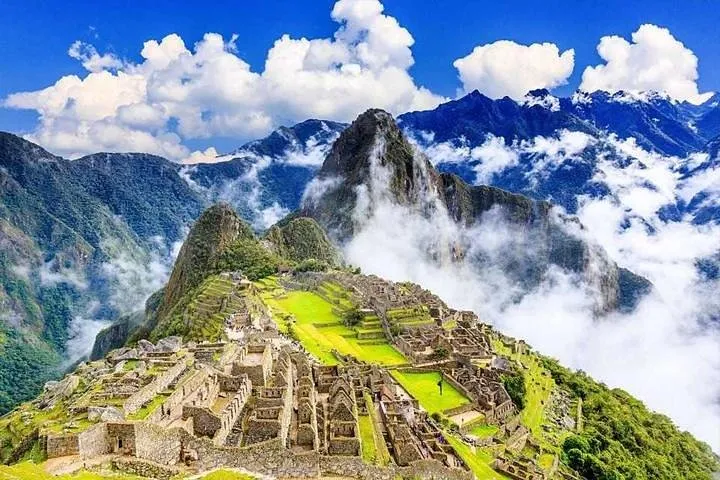 from $43.00
Machu Picchu Entrance Ticket
MachuPicchu.Center sells the official entrance ticket alone for the circuit you choose, with the private guide and bus only bundled in on the separate 2-day Circuit 2 commitment option. All sales are final, so double-check your date and circuit before paying.
Check Availability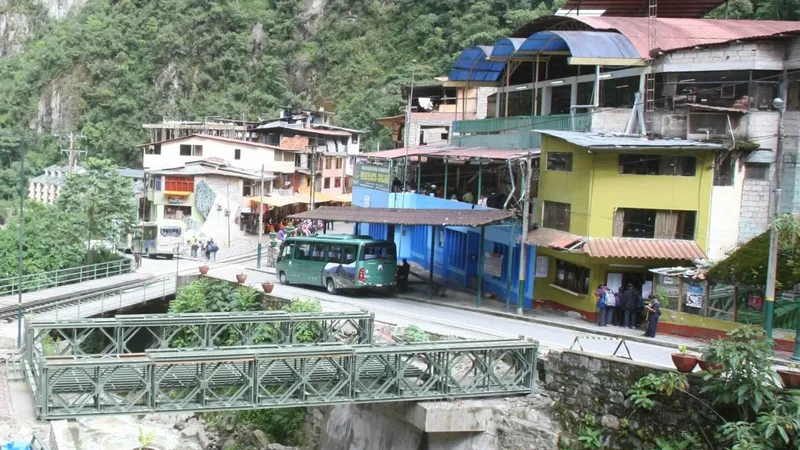 from $19.00
Aguas Calientes: Bus Transfer to Machu Picchu Citadel
Peru & U's local partner reserves your one-way or round-trip bus ticket between Aguas Calientes and the Machu Picchu citadel gate and emails it to you, skipping the ticket-booth line in town. It's non-refundable once booked, so pick your date carefully.
Check AvailabilityPrices, ratings and details are the platform's own. Dollar figures are the listed prices. The platform bills in your account's currency.
Aguas Calientes Altitude Questions
Is Machu Picchu high enough for altitude sickness?
By the CDC's own classification, no. The Machu Picchu gate sits at 2,430 m, below the 2,450 m floor of the moderate altitude band where acute mountain sickness becomes a genuine risk. The town below is at about 2,040 m, lower still. The realistic place to feel symptoms on this route is Cusco, at about 3,399 m, which sits inside the CDC's high altitude band.
What is the Aguas Calientes elevation compared to Cusco?
The Aguas Calientes elevation is about 2,040 m (6,690 ft) per Wikipedia, while Cusco sits at about 3,399 m (11,152 ft) per Wikipedia. That is a difference of roughly 1,359 m, our sum. In practice, the train journey from Cusco to the gorge is a descent of more than 1,300 m, and many travellers notice their breathing and sleep improve as they drop.
What is the Machu Picchu elevation at the entrance gate?
The Machu Picchu elevation at the citadel gate is 2,430 m, per the official ticketing platform tuboleto.cultura.pe and Resolucion Ministerial 000528-2023-MC, which also places the gate at coordinates -13.162636, -72.545376. The gap between the town and the gate is about 390 m of vertical difference, our sum, usually covered by the 30-minute bus ride up the switchback road.
How long does altitude sickness last in Cusco?
The CDC states that acute mountain sickness symptoms typically begin 2 to 12 hours after arrival at elevation. The CDC does not state a fixed duration for recovery on the page sourced here, so we will not invent one. What the CDC does describe is markedly protective: spending a minimum of 2 to 3 nights around 2,450 to 2,750 m before going higher. If symptoms are severe or include confusion, descending is the standard response, and a doctor should be consulted.
Do I need to acclimatize for one day at Machu Picchu?
Not for the citadel itself, because at 2,430 m it sits below the CDC's moderate altitude floor of 2,450 m. The acclimatization that matters happens in Cusco or the Sacred Valley before your citadel day. Per the CDC, citing the Wilderness Medical Society, avoid reaching a sleeping altitude of 2,750 m or higher in a single day, and once above 3,000 m gain no more than 500 m per night in sleeping altitude. Sleeping at the Aguas Calientes altitude of about 2,040 m is well within safe territory on that scale.
Prices, hours and terms are set by the venue or operator and confirmed at checkout.
We may earn a commission if you book through one of our links, at no extra cost to you. Full affiliate disclosure