 Aguas Calientes City Guide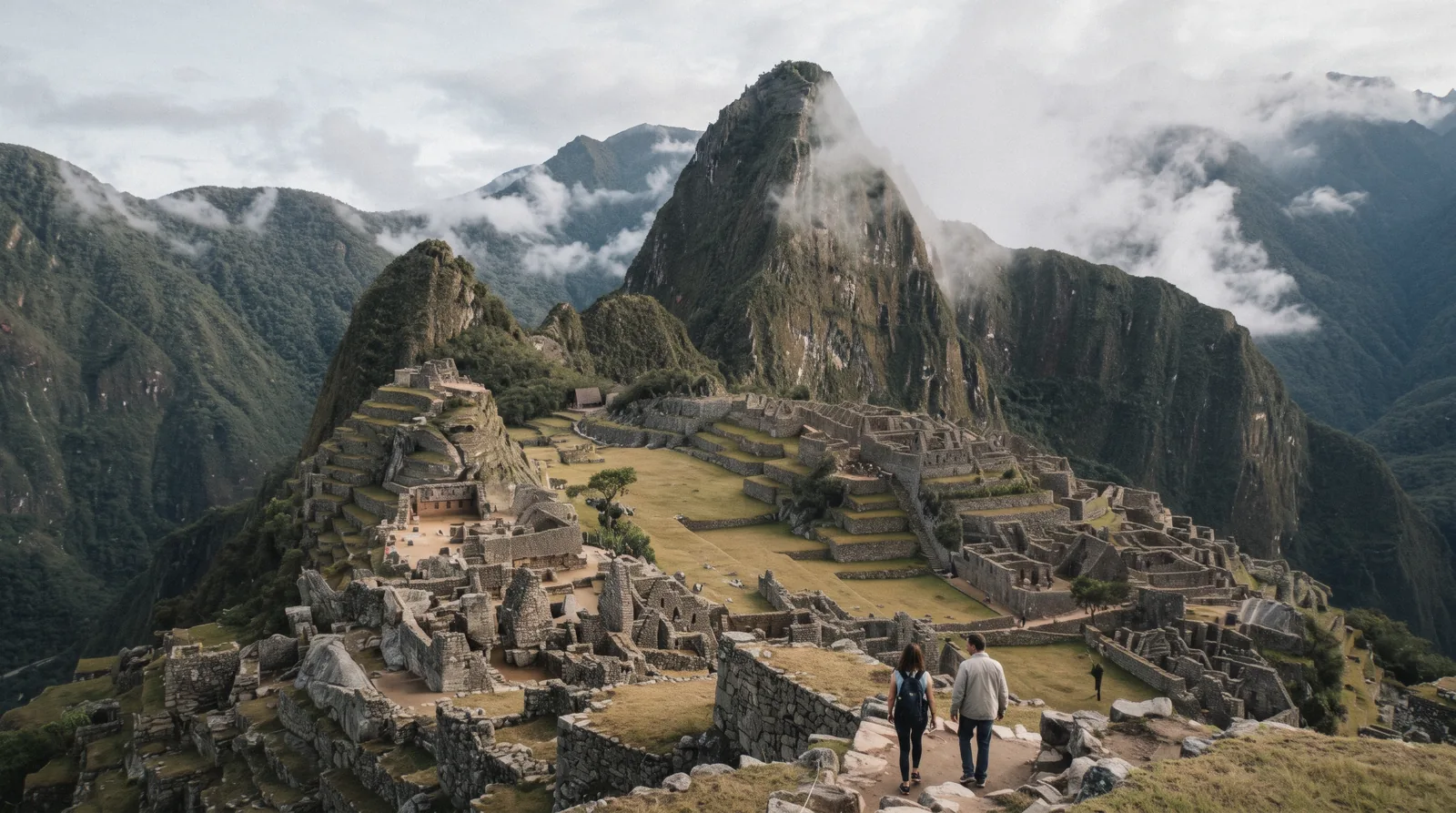
Machu Picchu Ruins: Tickets, Circuits, Hours and History
Machu Picchu, sometimes searched as the Machu Picchu ruins, is a 15th-century royal Inca estate on a ridge 2,430 m (7,970 ft) above sea level, directly above the town of Aguas Calientes. It has been a UNESCO World Heritage Site since 9 December 1983. Since 1 June 2024 every visitor enters on one of three circuits, each with its own routes, ticket and price. This page covers what a standard entry ticket costs, which circuit to pick, the hours and slot rules, the banned-items list, how to get from town to the gate, and the site's history from Pachacuti to UNESCO. For the full route-by-route breakdown see the circuit guide, and for everything else in and around town see things to do in Aguas Calientes.
Quick answer Price, circuits and the slot rule in four sentences
The basic entrance ticket sold by MachuPicchu.Center costs US$43.00 and the site has been on the UNESCO World Heritage List since 9 December 1983. You enter on one of three circuits, each a fixed one-way route with its own ticket. Tickets are name-locked, date-locked and non-refundable, so check the slot and route before you pay. Inside, you get 2 hours 30 minutes on the standard routes and there is no re-entry.
Key takeaways
- The Machu Picchu Entrance Ticket from MachuPicchu.Center costs US$43.00 and covers the circuit you choose at booking.
- The circuit decision comes first: the classic route, the panoramic route and the royalty route see different buildings. Compare them in the circuits guide.
- If you are staying in town, plan the whole day around the visit with things to do in Aguas Calientes.
Key facts
Opening hours
| Entry slots | 06:00–15:00 (last slot) |
|---|
Closed Open every day of the year, including 30-31 December when tolerance widens to 45 minutes
Planning it
- Time needed
- 2 hours 30 minutes inside on the standard routes, official rule
- Book ahead
- Optional — walk-up usually fine
- Address
- Llaqta de Machupicchu, Machupicchu District, Urubamba Province, Cusco Region, Peru
Machu Picchu Entrance Tickets
Every ticket below includes official entry to the citadel on a timed slot. The difference is what travels with it: a group guide, a private guide, the bus from Aguas Calientes, or a rescue service for sold-out dates. All of them are non-refundable once issued, because the Ministry's rule set does not allow name or date changes.
What splits buyers is whether you want a guide and a bus bundled in, or just the ticket itself.
| Ticket | Price | Covers | Book ahead | Book |
|---|---|---|---|---|
| Machu Picchu Entrance TicketIndependent travellers who already know which circuit they want and will handle the bus themselves. | US$43.00 | Official entrance ticket alone, for the circuit chosen at booking. Guide and bus separate. | No refund once booked | Check Availability |
| Machu Picchu: Official Entrance TicketsTravellers who want the document pushed to their phone quickly and are happy to arrange everything else in town. | US$43.00 plus a roughly US$24.00 booking fee at checkout | Official entrance ticket delivered by WhatsApp or email, a day in advance or faster on request. Bus, transfers and guide all separate. | No refund once booked | Check Availability |
| Machu Picchu: Official Entry + Guided TourFirst-time visitors who want the story behind the walls without paying for a private guide. | US$136.00 | Official entry plus a 2 to 2.5-hour guided tour in a group of up to 9, with an optional round-trip bus added at booking. Circuit assigned by availability. | Non-refundable | Check Availability |
| Machu Picchu: Official Entry Circuit 2, Private Guide & BusSmall groups who want the classic route at their own pace with nothing else to organise. | US$199.00 | Official Circuit 2 entry, round-trip bus from Aguas Calientes and a private guide in one booking. | Non-refundable | Check Availability |
| Machu Picchu Last-Minute Guided Tour with Entry TicketPeople who left it late and cannot find a standard slot. If you booked months ahead, the standard ticket is the right product. | US$99.00 | An entry ticket secured even on dates the official system shows as sold out, plus a guided walk of the Royalty Route with an English-speaking guide. | Full refund up to 2 days 12 hours ahead | Check Availability |
| NEW *Machupicchu Entrance Ticket, Bus & Expert GuideTravellers who want one booking to cover everything and value a 24-hour cancellation window. | US$199.00 | Ticket for circuit 1, 2 or 3, the bus and an expert guide, with 24-hour assistance before and after. | Full refund up to 24 hours ahead | Check Availability |
Figures current in Q3 2026.
What to Book for Machu Picchu
Four products cover most trips from Aguas Calientes. The ticket is the non-negotiable part, the bus or the walk gets you up the ridge, and a guide brings the ruins to life.
 from $43.00
Machu Picchu Entrance Ticket
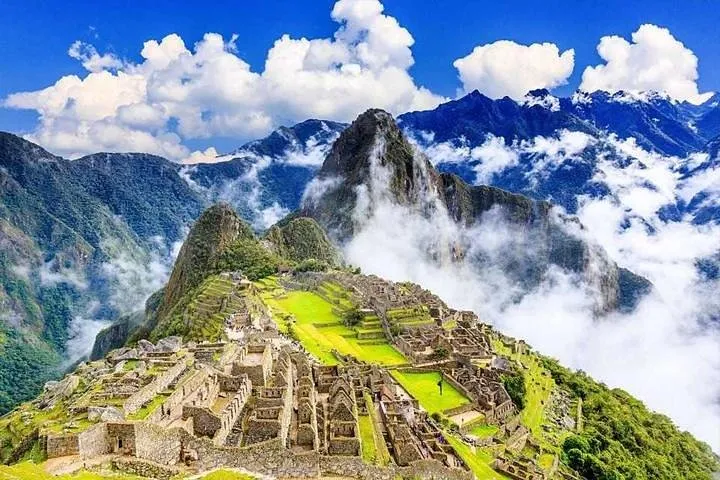
MachuPicchu.Center sells the official entrance ticket alone for the circuit you choose, with the private guide and bus only bundled in on the separate 2-day Circuit 2 commitment option. All sales are final, so double-check your date and circuit before paying.
Check Availability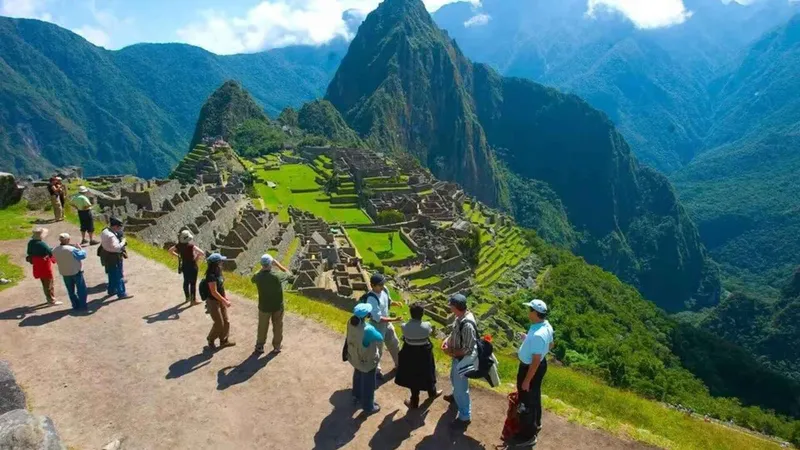 from $136.00
Machu Picchu: Official Entry + Guided Tour
Treppid Travels bundles the official entrance ticket with a 2 to 2.5-hour guided tour in a small group of up to 9, plus an optional round-trip bus from Aguas Calientes at booking. The circuit is assigned by availability, not chosen by the traveler, and the ticket is non-refundable once issued.
Check Availability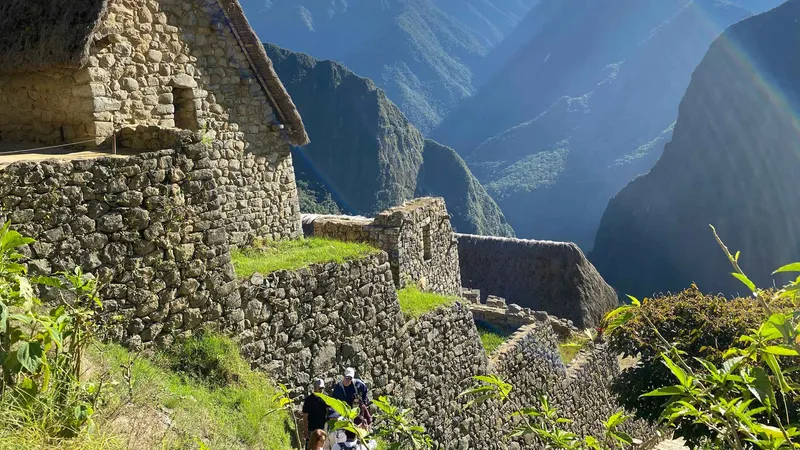 from $30.00
Machu Picchu: Group Guided Tour
This is a guide-only group tour, limited to 10 people, and it does not include the Machu Picchu entrance ticket, so book that separately before your date. Cancel up to 24 hours ahead for a full refund, and pay nothing until your spot is confirmed.
Check Availability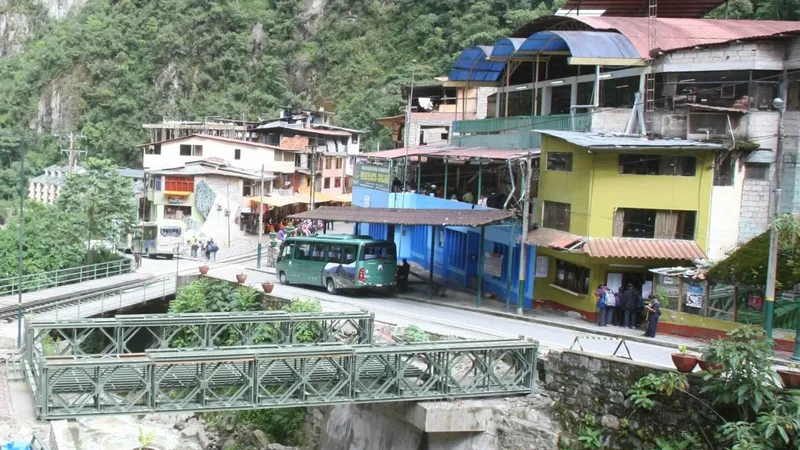 from $19.00
Aguas Calientes: Bus Transfer to Machu Picchu Citadel
Peru & U's local partner reserves your one-way or round-trip bus ticket between Aguas Calientes and the Machu Picchu citadel gate and emails it to you, skipping the ticket-booth line in town. It's non-refundable once booked, so pick your date carefully.
Check AvailabilityPrices, ratings and details are the platform's own. Dollar figures are the listed prices. The platform bills in your account's currency.
What to See Inside Machu Picchu
Circuit 2, the Classic Route
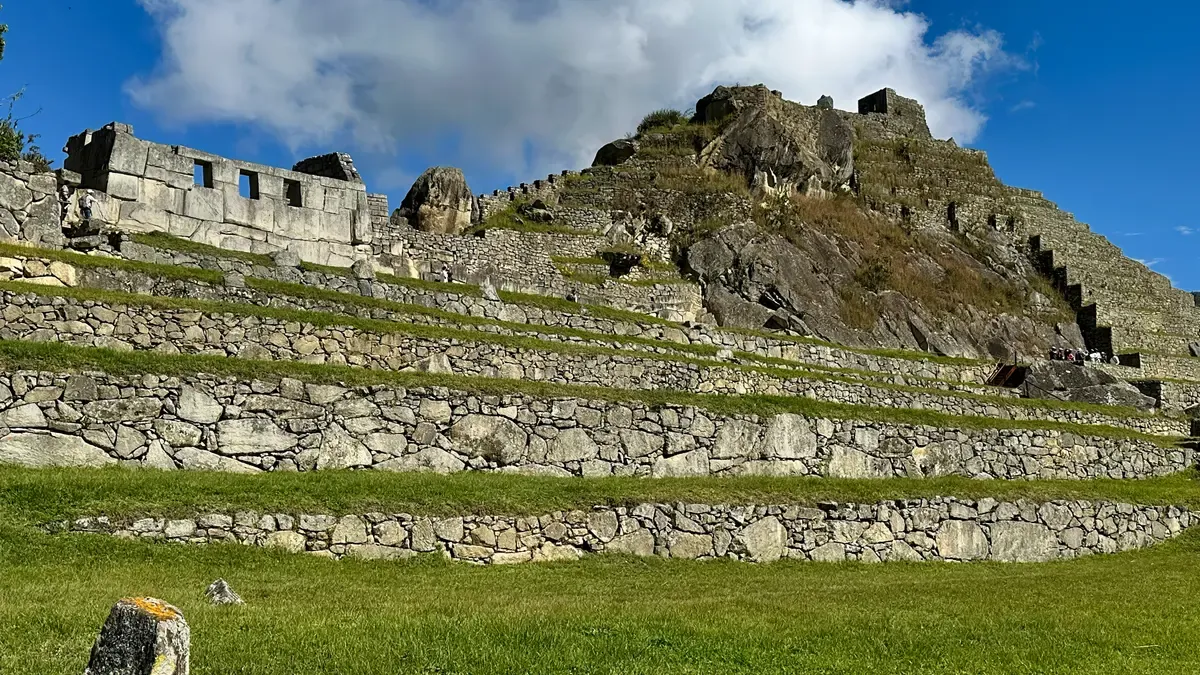
Circuit 2 is the route most people picture when they think of Machu Picchu. It passes the Main Temple, the Temple of the Three Windows and the Sacred Rock, and it runs through the Quarries sector, the Llaqta Punku urban entrance and the Botanical Garden space, with platforms by the Guardian's house along the way. The Three Windows are a row of tall trapezoidal openings that face the rising sun, and archaeologists believe the alignment carried ceremonial meaning for the Inca.
Because it covers the urban sectors in full, it is the circuit that gives you the classic postcard composition across the plaza. It sells out first in high season, so pick your slot early on the circuits page. Route 2-A is the designed route and Route 2-B adds the Lower Terrace.
Circuit 1, the Panoramic Route
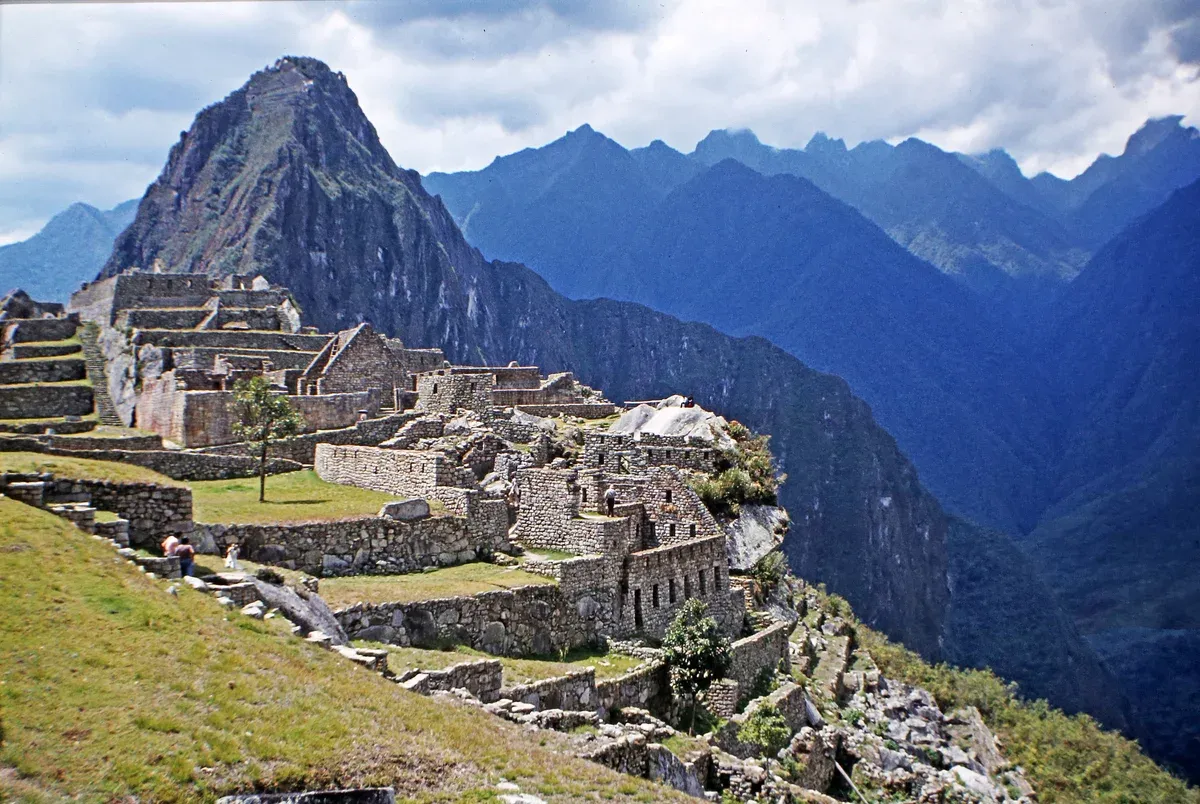
Circuit 1 is built around the views rather than the urban core. It covers the upper and lower platforms near the Guardian's house and the agricultural terraces, and its headline option is the trail up Machupicchu Mountain itself, the peak that gives the site its name and appears in every wide photograph of the ruins. From the high terraces you look straight down on the main plaza, and in high season there are also routes to the Inti Punku gateway and the Inca Bridge.
The mountain climb is a serious morning: entry is at 07:00-07:30 or 09:00-09:30 and you must be back down from the summit by 13:00. Read what the climb involves on the Machu Picchu Mountain page before committing a ticket to it.
Circuit 3, the Royalty Route
Circuit 3 walks the buildings reserved for the Inca elite. It passes the Temple of the Sun, a curved structure whose window frames the June solstice sunrise, then the Inca's House, the Three Doorways enclosure, the Twelve Niches enclosure and the water mirrors, with fountains along the way. Its famous add-on is Waynapicchu, the steep peak behind the ruins, entered at 07:00-07:30 or 10:00-10:30 with a return from the summit required by 13:00.
High-season variants add the Great Cavern and Huchuy Picchu routes. This is the circuit to pick if the Temple of the Sun is your priority, or if you want the mountain climb, and the Huayna Picchu page explains the summit route in detail.
Circuit and route detail per Resolucion Ministerial No. 000528-2023-MC, as published on machupicchu.gob.pe.
How Much Time to Give Machu Picchu
Match the clock to the ticket
The Ministry fixes how long you may stay inside, and the clock starts at your entry slot, not when you first reach a viewpoint. On the standard routes you get 2 hours 30 minutes and there is no re-entry except for force majeure. For the 14:00 and 15:00 slots, your time runs until the 17:30 closing at the latest.
Overstaying leads to removal with park-guard support, so plan the table below against your own walking pace. Our estimates for the longer options assume an average pace and no long photo stops.
| Routing | What It Covers | Time |
|---|---|---|
| Standard circuit only | Any of the three circuits on the flat routes, no mountain and no museum. The 2 h 30 min limit is the official rule. | 2 h 30 min (official rule) |
| Circuit plus the site museum | A standard circuit, then the Manuel Chavez Ballon museum at the base near Puente Ruinas, which is free to enter between 12:00 and 16:00. Our estimate. | Around 4 hours (our estimate) |
| Circuit plus a mountain route | A circuit ticket with Waynapicchu or Machupicchu Mountain added. Both climbs require you back from the summit by 13:00, and total time inside runs to about 5.5 or 6.5 hours from entry depending on the route. Our estimate of usable time including photos. | 5 to 6.5 hours (our estimate) |
Machu Picchu's History, From Pachacuti to UNESCO
Built for an Emperor
Per Wikipedia, the archaeological consensus is that the Inca emperor Pachacutec ordered Machu Picchu built as a royal estate, with construction continuing under his successor Tupac Inca Yupanqui, who reigned from 1472 to 1493. The consensus dating puts the main construction between about 1450 and about 1470, while radiocarbon evidence from skeletal and construction material suggests activity on the site across a longer span, roughly 1420 to 1530. This was a seasonal retreat rather than a permanent city.
Per Wikipedia, about 750 people lived there at its peak, largely support staff who stayed year-round while the emperor and the Inca elite came and went. The stonework you walk past today is the estate's residential and ceremonial core, built without mortar in the classic Inca style.
Abandoned, Then Found Again
Per Wikipedia, the site is believed to have been abandoned by the Inca in the mid-16th century, roughly between 1532 and 1565, around the time of the Spanish conquest. The likely causes are the disruption and disease that followed the conquest, not any Spanish attack, and the Spanish never recorded finding the site. It was not exactly lost, though.
Per Wikipedia, a local land-seeker named Agustin Lizarraga left a charcoal inscription reading "A. Lizarraga 1902" on one of the walls, nine years before the visit that made the site famous. In 1911 Hiram Bingham, an American historian and explorer, was guided there by local residents and brought Machu Picchu to international attention. His Yale-sponsored expeditions of 1912 to 1915 removed thousands of artefacts, which began returning to Peru from 2011.
World Heritage and a Popular Vote
Peru designated the site a National Historic Sanctuary in 1981, and on 9 December 1983 UNESCO inscribed the Historic Sanctuary of Machu Picchu on the World Heritage List as site 274, a mixed cultural and natural property. That mixed status matters: the listing protects both the ruins and the 32,592-hectare sanctuary of cloud forest and peaks around them. In 2007 the site was also named one of the New Seven Wonders of the World.
It is worth being clear about what that means. The New Seven Wonders result came from a worldwide popular-vote poll run by the private New7Wonders Foundation, not from UNESCO or any government. The UNESCO listing is the designation with legal weight under the World Heritage Convention, and it is the reason the visit is now managed so strictly.
Source: Wikipedia (Machu Picchu) and UNESCO World Heritage List (whc.unesco.org/en/list/274), checked 2026-09-25.
Machu Picchu in Dated Lines
-
c. 1450
Construction begins
Per Wikipedia, the consensus is that Pachacutec ordered the estate built, with work continuing under Tupac Inca Yupanqui. Radiocarbon evidence suggests activity from roughly 1420.
-
c. 1450 to c. 1470
Main building phase
The consensus dating for the principal construction of the citadel's urban and agricultural sectors.
-
1532 to 1565
Abandonment
Per Wikipedia, the site is believed to have been abandoned in the mid-16th century, linked to conquest-era disruption and disease rather than any Spanish attack. The Spanish never recorded finding it.
-
1902
Lizarraga leaves his mark
Local land-seeker Agustin Lizarraga wrote "A. Lizarraga 1902" in charcoal on a wall, nine years before Bingham. He did not publicise the site internationally.
-
1911
Bingham arrives
Hiram Bingham, an American historian and explorer guided by local residents, brought Machu Picchu to international attention.
-
1912 to 1915
Yale-sponsored excavation
Bingham's expeditions excavated the site and removed thousands of artefacts to Yale University. The artefacts began returning to Peru from 2011.
-
1981
National Historic Sanctuary
Peru designated the site and its surroundings a National Historic Sanctuary, eight years before the international listing.
-
9 December 1983
UNESCO World Heritage
The Historic Sanctuary of Machu Picchu entered the World Heritage List as site 274, a mixed cultural and natural property.
-
2007
New Seven Wonders vote
Named one of the New Seven Wonders of the World in a popular-vote poll run by the private New7Wonders Foundation, not a UNESCO or government designation.
-
1 June 2024
Three circuits, ten routes
The current entry system took effect under R.M. 528-2023-MC, replacing the five circuits used from 2021 to 2023.
Dates from Wikipedia (Machu Picchu), UNESCO World Heritage List site 274, machupicchu.gob.pe and Resolucion Ministerial No. 000528-2023-MC.
Hours, Slots and the Tolerance Rule
How the slot system works
Entry is sold by the hour: 06:00, 07:00, 08:00, 09:00, 10:00, 11:00, 12:00, 13:00, 14:00 and 15:00, with the 15:00 slot the last of the day. In months of regular demand you may arrive up to 30 minutes after your ticketed slot. In high-demand windows, 1 June to 15 October plus 30-31 December, that tolerance widens to 45 minutes.
Once inside on a standard route you have 2 hours 30 minutes, and re-entry is not permitted except for force majeure. The site closes at 17:30. Every part of this is enforced, so build the bus or the walk and the queue into your plan, and check the fine print on the rules page.
The mountain windows
The two mountain routes run on tighter windows than the standard circuits, and at the mountain control points there is no tolerance at all: you enter at the exact ticketed time. Waynapicchu on Route 3-A has two turns, 07:00-07:30 or 10:00-10:30, and you must be back from the summit by 13:00, with total time inside up to about 5.5 hours from entry. Machu Picchu Mountain on Route 1-A enters at 07:00-07:30 or 09:00-09:30, also back from the summit by 13:00, with up to about 6.5 hours in total.
Compare the two climbs on the Huayna Picchu or Machu Picchu Mountain page and book the entrance ticket with the mountain route included if that is your plan.
What the Ticket Requires Inside
ID and the name-locked ticket
Your ticket and your passport travel together. At the gate staff check the ticket against official ID, and for foreign visitors the accepted documents are a passport, a carne de extranjeria or a diplomatic ID. The ticket is valid only for the date and time purchased, with no name changes and no date changes allowed, the only exception being an official correction of a mistyped passport or DNI number.
Refunds are not issued except in force-majeure situations that prevent arrival. A guide is recommended by the regulation rather than stated as mandatory, which is why guide-only products like the group guided tour exist for people who bought a bare ticket. The full entry conditions are set out on the rules page.
What you cannot carry in
The banned list is long and it is enforced at the entrance. Bags larger than 40x35x20 cm stay outside, and so do food, tripods, selfie sticks, walking sticks, drones, hard-soled shoes, strollers, alcohol and any smoking or vaping. You also cannot climb on the walls, play loud music, fly a drone over the site or leave your assigned route.
Violations mean immediate expulsion without refund and possible legal action, so check the full banned-items list the night before and pack a soft daypack that fits the size limit. If your luggage does not fit, storage options are covered on the same page.
Getting to the Gate From Town
By bus up the Hiram Bingham road
The Consettur buses leave from the station end of Aguas Calientes and zigzag up the Hiram Bingham road to the citadel gate in about 30 minutes. The ride is short but steep, switchbacking up the forested slope, and queues form before the first popular slots, which is why reserving ahead pays. The bus transfer sold through Peru & U's local partner costs US$19.00 and is emailed to you as a ticket, skipping the booth line in town. It is non-refundable once booked, so fix your date first.
The full comparison of bus versus walking, including where the buses board and how the queue works, is on the Machu Picchu bus page.
On foot via Puente Ruinas
You can walk up instead. Per Wikipedia, it is roughly 6 km and about a 90-minute walk from Aguas Calientes to the Llaqta entrance, following the road past Puente Ruinas. Remember the climb: the town sits at about 2,040 m and the gate at 2,430 m, so you gain roughly 390 m, our sum, on a stone-and-dirt gradient that leaves most people sweating at this altitude.
Carry water, start early enough to reach the gate inside your slot tolerance, and wear proper shoes since the path is shared with buses in places. The route, the steepness and the timing are broken down step by step on the Aguas Calientes to Machu Picchu page.
Machu Picchu on the Map
Near Machu Picchu
Huayna Picchu
The sharp peak in the background of every classic photo, reached on Route 3-A of Circuit 3. Two entry turns daily, 07:00-07:30 or 10:00-10:30, and you must be back from the summit by 13:00. Steep, exposed staircases and sold-out dates, so book well ahead.
Machu Picchu Mountain
The longer, higher climb on Route 1-A, entered at 07:00-07:30 or 09:00-09:30 with a 13:00 summit return. Fewer people than Huayna Picchu and the widest views over the ruins and the surrounding sanctuary, but it eats most of a morning.
Machu Picchu Site Museum
The Museo de Sitio Manuel Chavez Ballon sits at the base near Puente Ruinas, on the walking route between town and the gate. Free to enter between 12:00 and 16:00, which pairs naturally with an early circuit followed by an afternoon descend-and-learn.
Machu Picchu, Do and Do Not
Do
- Book the entrance ticket at least a day ahead, since the Ministry's in-town office only sells for the next day and the quota is limited.
- Check your bag against the 40x35x20 cm limit the night before and leave the rest at your hotel.
- Carry your original passport, because the gate checks the ticket name against your ID.
- Arrive within your slot tolerance, 30 minutes in regular season and 45 minutes from 1 June to 15 October and on 30-31 December.
- Wear soft-soled shoes with grip for the stone stairs, especially if rain is forecast.
- Finish the circuits research before paying, because the route is fixed to your ticket.
Don't
- Do not bring food, tripods, selfie sticks, walking sticks, drones or strollers, all of which are banned.
- Do not smoke or vape anywhere inside the site, including at the viewpoints.
- Do not climb on the walls or touch the stone structures, it is an expulsion offence.
- Do not try to re-enter after leaving, re-entry is not permitted except for force majeure.
- Do not overstay your 2 hours 30 minutes, overstayers are removed with park-guard support.
- Do not leave your assigned route, the one-way flow through the circuits is part of the ticket conditions.
Five Things Most Visitors Do Not Know About Machu Picchu
The details behind the postcard
Machu Picchu is so heavily photographed that the stories around it get flattened into a few repeated lines. These five come straight from the historical record and most visitors miss every one of them.
- A local man beat Bingham to the site by nine years. Agustin Lizarraga left a charcoal inscription reading "A. Lizarraga 1902" on a wall, and Bingham was guided in by local residents in 1911. (Wikipedia, Machu Picchu, earlier visit before Bingham)
- It was never a city. About 750 people lived here at its peak, mostly support staff, because the site worked as a seasonal royal retreat for the Inca elite. (Wikipedia, Machu Picchu, purpose and population)
- The New Seven Wonders title is a private poll. It was awarded in 2007 by the New7Wonders Foundation through a worldwide popular vote, not by UNESCO or any government. (Wikipedia, Machu Picchu, New Seven Wonders)
- Peru protected it before UNESCO did. The site was designated a National Historic Sanctuary in 1981, two years ahead of the 1983 World Heritage inscription. (Wikipedia, Machu Picchu, citing the UNESCO listing)
- The artefacts went home. Bingham's Yale-sponsored expeditions of 1912 to 1915 removed thousands of objects, and they began returning to Peru from 2011. (Wikipedia, Machu Picchu, discovery and international attention)
Machu Picchu FAQ
What is Machu Picchu?
It is a 15th-century Inca citadel built on a ridge at 2,430 m (7,970 ft) in the Peruvian Andes, above the town of Aguas Calientes. Per Wikipedia, the consensus is that it was built as a royal estate for the emperor Pachacutec rather than a permanent city. Since 9 December 1983 it has been a UNESCO World Heritage Site as part of the mixed cultural and natural Historic Sanctuary. Read how it fits into a trip on things to do in Aguas Calientes.
Who built Machu Picchu?
Per Wikipedia, the archaeological consensus is that the Inca emperor Pachacutec ordered it built as a royal estate, with construction continuing under his successor Tupac Inca Yupanqui, who reigned from 1472 to 1493. The consensus dating for the main construction is about 1450 to about 1470, and radiocarbon evidence suggests activity on the site from roughly 1420 to 1530. About 750 people, mostly support staff, lived there at its peak.
When was Machu Picchu discovered?
The honest answer is that it was never fully lost. Per Wikipedia, a local land-seeker named Agustin Lizarraga left a charcoal inscription dated 1902 on one of the walls. In 1911 Hiram Bingham, an American historian and explorer guided by local residents, brought the site to international attention, and his Yale-sponsored expeditions of 1912 to 1915 excavated it. Those artefacts began returning to Peru from 2011.
Is Machu Picchu one of the Seven Wonders of the World?
It was named one of the New Seven Wonders of the World in 2007, but be clear about what that means. Per Wikipedia, the list came from a worldwide popular-vote poll run by the private New7Wonders Foundation, not from UNESCO or any government. The designation with legal weight is the UNESCO World Heritage inscription of 9 December 1983, which protects both the ruins and the surrounding sanctuary.
How much time do you need at Machu Picchu?
The official rule gives you 2 hours 30 minutes inside from your entry slot on the standard routes, with no re-entry. If you add a mountain route, total time from entry can run to about 5.5 hours with Waynapicchu or 6.5 hours with Machu Picchu Mountain, and both climbs require a return from the summit by 13:00. The full breakdown is in our time-planning table.
Which circuit should I book?
Pick Circuit 2 if you want the classic route past the Main Temple, the Temple of the Three Windows and the Sacred Rock. Pick Circuit 1 for the panoramic terraces and the Machu Picchu Mountain climb. Pick Circuit 3 for the Temple of the Sun and the Inca's buildings, or for the Huayna Picchu climb. Since 1 June 2024 the system is 3 circuits and 10 routes, all compared route by route in the circuits guide.
Where Machu Picchu Fits in a Day
Building the day around your slot
Most visitors from town run a simple shape: an early bus or the 90-minute walk, the circuit inside the slot window, then the walk or ride down, lunch in Aguas Calientes and the museum or the hot springs afterwards. If your slot is at 06:00 you will be back in town before most of it wakes up, and a 12:00 or later slot inverts the day. The museum's free window from 12:00 to 16:00 slots naturally after a morning circuit.
For the full hour-by-hour plan see Aguas Calientes in one day, and if you would rather arrive on foot the multi-day and one-day options are compared on the treks page. Guided options for the visit itself are compared on Aguas Calientes tours, and a base for the night is covered on where to stay.
Machu Picchu on Video
MACHU PICCHU (Peru) | Full tour and documentary in 4K
Full tour and documentary walk through the citadel in 4K.
Video: Luxury Travel Expert[4K] Machu Picchu, Peru 🇵🇪🐧 Cirquit 2. Historical Sanctuary Nonstop Walking Tour
A nonstop walking tour of Circuit 2, the classic route, in 4K.
Video: BLA BLA WALKER 🐧 Tokyo Walking TourBeautiful Footage: Hiking to Machu Picchu | National Geographic
National Geographic footage of the hike up to the ruins.
Video: National GeographicPrices, hours and terms are set by the venue or operator and confirmed at checkout.
We may earn a commission if you book through one of our links, at no extra cost to you. Full affiliate disclosure